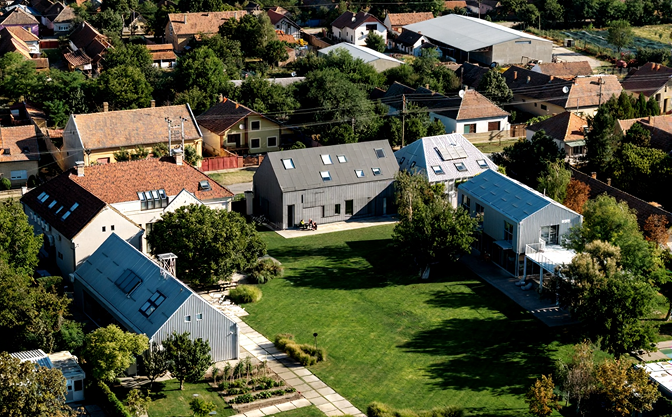
They say the plains are quiet — nothing but endless fields, skies folding into earth, and the sleepy murmur of the Tisa River.
But under that hush, Mokrin tells stories no book dares to hold. The oldest of them is about a man or perhaps, a myth. Attila, the Scourge of God.
The Mud Fortress
Centuries ago, as Rome crumbled beneath its own weight, Attila reached the banks of the Tisa. Weary from conquest, but still hungry for eternity. Back then, Vojvodina wasn’t farmland. It was swamp and shadow.
The Tisa, wild and willful, twisted its way across the lowlands as it pleased. And it was here, they say, that Attila built his Mud Fortress — forged from earth, timber, and the ambition to be remembered.
Beneath the River
But even gods must rest. When Attila’s time came, his warriors laid him not on land, but beneath the river itself. Beneath its very bed.
And with him, legend says, they buried not one, but many horses sculpted in gold, silver, and bronze. A royal procession for the afterlife. Their hooves cast in precious metal, ready to thunder through eternity as they once did across Europe.
The legend of Attila’s grave
A Secret Kept
The grave was never found. The Tisa wandered on. Farmers plowed fields. Children skipped stones.
Yet every now and then, when dusk kisses the river just right, someone sees a glint where there should be none.
And so Mokrin keeps its secret — that perhaps, just below its quiet soil, the King of the Huns still slumbers, wrapped in legend, guarded by metal steeds, and waiting to be remembered.